BOOK REVIEW
Blood Moon Wolf
Young Adult Fantasy Rom-Com
Overall Assessment: STRONG RECOMMEND ✓✓
Assessment
Blood Moon Wolf is a publishable, market-ready YA fantasy rom-com with an authentic Indigenous voice, genuinely compelling mythology, and the kind of humor that earns both laughs and loyalty. The novel delivers deep character development, a well-constructed supernatural system with clear rules and real stakes, and a cultural specificity that lifts it well above the generic "mystical Native" tropes too common in the genre. This is a book the YA market needs, and it is ready.
Key Strengths
Authentic Cultural Integration
The novel's cultural grounding is not decorative. It is structural. Cherokee language, traditions, and history are woven into the story the way they would actually exist in someone's life, not dropped in for flavor.
• Language immersion: Cherokee words and phrases (Donadagohvi, Osiyo, A-ni-wa-ya) feel organic, not tokenistic.
• Cultural details: The 1491 t-shirt significance, fry bread as currency and connection, Grandma Enola's role as cultural keeper, all land with weight and specificity.
• Lived experience: Dakota's journey from "apple" (red on the outside, white in the middle) to embracing Cherokee identity rings true in a way that outsider voices rarely achieve.
• Tribal distinctions: Eastern Band vs. Cherokee Nation differences show real understanding of tribal sovereignty complexities, not a monolithic "Native American" stamp.
What sets this apart from problematic "mystical Native" tropes: the supernatural element (Chandra) serves Dakota's coming-of-age story rather than defining his Indigenous identity. His struggle with stuttering, adoption trauma, and feeling like an outsider at Sequoyah are grounded, contemporary teen experiences. The magic is layered on top of a fully realized person, not substituted for one.
Character Depth
The cast is not just memorable. Each character carries their own emotional architecture.
Chandra
Her POV chapters give her genuine interiority. Her observations about humans (the toilet confusion, doorknobs, cereal) are comedic gold while revealing her intelligence and curiosity. The gradual development from "I want to smell his butt" to understanding human love is genuinely moving. She is funny and heartbreaking in almost the same breath.
Sam
His prison backstory and relationship with Amber have real emotional weight. The scene where he can barely speak to Dakota about Clarissa's journal is heartbreaking, showing generational trauma without being preachy. He is trying so hard, and the reader feels every stumble.
Grandma Enola
She is not just comic relief but a cultural anchor. Her Star Wars / Cherokee wisdom mashup ("Wise, am I?") is perfect characterization. The scene where she admits being wrong about Clarissa shows real growth. She holds the memory of the family together while the living members are still learning to find each other.
Riana
Her parallel journey (learning her father was a spirit guide) creates beautiful symmetry with Dakota's. The lamb-killing flashback explains her wolf-hatred while setting up her eventual acceptance. She is no damsel. She is a ranch kid who shoots a wolf in her barn and then has to reckon with what that wolf actually was.
Maria
Maria now has genuine dimension. Her hands shaking as she walks away from Dakota, the reveal that her own grandmother couldn't get her on the tribal roll, the quiet devastation of feeling like a poser inside her own heritage. She went from a one-note antagonist to someone the reader understands, and that is a significant achievement.
Mythology with Clear Rules
Unlike vague "Native magic" in lesser works, the book establishes a system that feels earned and internally consistent:
• Blood moon transformation mechanics: the door vs. the window. The blood moon is the only real door, the only permanent choice. But intense emotional moments open a window, temporary and fragile.
• Spirit guide purpose: Chandra's role in Dakota's growth is not incidental. She was assigned to him, and her mission has teeth.
• Consequences: the three-year wait, the choice of form, the stakes that make the ending land.
• Clan structure: Wolf Clan's specific history is not generic folklore. It is particular and textured.
The cave as transformative space, Clarissa's journal as exposition device, and the "until we meet again" framework all create sustainable series mythology without front-loading the reader with rules. The system reveals itself the way Dakota discovers it, which is the right instinct.
Humor That Respects Characters
The comedy never punches down. That is a harder thing to pull off than it sounds.
• Chandra attacking the cat is funny because of misunderstanding, not cruelty.
• Waya's "too-spirited" declaration and sheep-kissing are adorable, not stereotypical.
• The French excuse and thrift store scenes work because Dakota is in over his head, not because Chandra is ridiculous.
Compare this to how early Marvel reduced Indigenous characters to punchlines. The humor here comes from character, not culture. It is the kind of funny that makes a reader laugh and then immediately want to keep reading, because the people involved are people they actually care about.
Supporting Cast
The depth extends beyond the core four. These are characters with their own forward momentum.
Dusty
The novel shows his caretaker burden and his growing connection to Riana, setting up future arcs that feel earned rather than manufactured. He is an eleven-year-old who lost his mother and then raised a toddler. That weight shows.
Waya
His backstory about bullies teaching him to be gay is brilliant. Dark, funny, and true to queer experience. He is the heart of every room he enters and the reader will want a book of his own.
Amber
Her vegetarian rancher contradiction and her romance with Sam feel earned, not convenient. She is someone with her own life and her own reasons, and the relationship works because both of them have history that makes it complicated.
Sarge
The beer can / wolf confrontation is one of the best scenes in the book. Darkly funny, genuinely unsettling, and it lands the bite mark in a way that haunts. Sarge is not a villain. He is a man who doesn't know how to love a son who doesn't fit his blueprint, and that is a more interesting problem than villainy.
Sensory Detail
The wolf POV chapters use smell, sound, and instinct beautifully. This is where the writing is at its most alive.
• "He smelled so good. It wasn't merely the herbs...but his blood. It pulsed through the vein in his neck." This is visceral without being gratuitous.
• Chandra distinguishing pack members by scent rather than names. The reader feels the shift in how she perceives the world.
• The "dead people" smell at the thrift store. A single detail that grounds the fantasy in physical reality and earns a laugh at the same time.
These moments are what will stick with readers long after they close the book.
Cultural Authenticity
The novel does not just avoid cultural missteps. It actively gets things right, in ways that matter.
Adoption / Displacement Trauma
Dakota's line "I didn't pick a momma who died, you didn't choose those people who adopted you" reflects the real Indigenous adoption crisis. The 1978 Indian Child Welfare Act exists precisely because of cases like Dakota's: Native children removed from tribal communities. The novel understands this history without lecturing.
Code-Switching
Dakota's stuttering with white classmates but fluency with Chandra and family rings true. Research shows Indigenous youth often experience speech anxiety in assimilationist environments. The book captures this without making it the whole of who Dakota is.
Economic Realism
Sam's clinic using a barter system (deer meat, peaches, duck fat) reflects actual reservation economies where cash scarcity requires alternative exchange. It is a detail that could easily be missed by a non-Native writer, and its presence here tells the reader a lot about whose eyes this story was written through.
Intertribal Diversity
Sequoyah's "80 tribes" detail shows understanding that "Native American" is not monolithic. Dakota distinguishing Eastern Band from Cherokee Nation demonstrates sovereignty awareness that goes beyond surface-level research.
Two-Spirit Representation
Waya's explanation of "too-spirited" vs. two-spirit is nuanced. The novel avoids reducing it to "Native word for gay" while showing how colonial homophobia impacted tribal acceptance. It is handled with care and specificity.
Marketability
YA Book Market Fit
Market Fit: Excellent
Comparable Titles
• Elatsoe by Darcie Little Badger (Lipan Apache, ghost dog companion)
• Firekeeper's Daughter by Angeline Boulley (Ojibwe, mystery / thriller)
• Ancestor Approved by Cynthia Leitich Smith (Cherokee, humor / fantasy)
Competitive Advantages
• Rom-com tone: less common in Indigenous YA, which tends to skew thriller or dystopian. This is a gap in the market, and Blood Moon Wolf fills it.
• Male protagonist: most Indigenous YA features girls. Dakota is a rare and welcome addition.
• Shape-shifter mythology: a fresh take in a market saturated with vampires, werewolves, and fae.
• Series potential: a built-in three-year arc, other clans to explore, and Talitha's future already seeded.
Comparable Sales
• Elatsoe: strong reviews, awards buzz, moderate sales.
• Firekeeper's Daughter: bestseller, Printz Honor, film rights sold.
• Ancestor Approved: established author, loyal readership.
Blood Moon Wolf's competitive position: more commercial than Elatsoe (the rom-com makes it more accessible), more humor than Firekeeper's Daughter (less thriller-dark), and a fresher voice than Ancestor Approved.
Adaptability
The novel's structure lends itself naturally to screen adaptation. Deeper character backstories give writers material for multiple seasons. Clarissa's journal can be revealed gradually across episodes. Chandra's POV provides voiceover and internal monologue opportunities. The supporting cast arcs (Dusty and Riana, Waya and Bean) create strong B-plots. This is not a book that would need to be invented for television. It would need to be faithfully translated, which is a much better problem to have.
Authenticity Marketing
The author's platform translates directly to publishing credibility:
• Author platform: Native American Media Alliance fellowship (two-time winner) gives immediate credibility with both publishers and readers.
• Sensitivity verification: built-in through tribal fellowship work, not an afterthought.
• Educational tie-ins: Cherokee language and culture resources embedded naturally in the story.
• Community partnerships: tribal libraries, Native youth programs, school curricula. The book is already doing this work simply by existing.
The Stan Lee Legacy Connection
Blood Moon Wolf does for Indigenous representation in YA what the best Marvel comics eventually learned to do: make it specific, make it contemporary, and make it human.
What Early Marvel Missed (That This Book Nails)
• Red Wolf (1970s): Historical setting implied Native people only existed in the past. Counter: Dakota is texting, watching YouTube, dealing with prom anxiety. He is contemporary and timeless.
• Thunderbird (1975): Powers came from generic "Native magic." Counter: Chandra's transformation has specific Cherokee mythology with clear rules, not a mystical hand-wave.
• Forge (1984): Often the only Indigenous character, defined by heritage alone. Counter: Sequoyah High has 80 tribes. Dakota's identity intersects with adoption, class, sexuality, and geography.
What Modern Marvel Learned (That This Book Demonstrates)
• Echo (2024): Worked with Deaf and Indigenous consultants. This book's approach: fellowship collaboration with multiple tribes.
• Indigenous writers (Rebecca Roanhorse, Stephen Graham Jones): The credibility comes from within. Sandi Jerome is not a consultant brought in after the fact. She is the Indigenous writer.
• Contemporary relevance: Echo addressed generational trauma. This parallel: Dakota's adoption, Sam's prison time, and economic struggles are real issues, handled with the kind of specificity that only comes from understanding them from the inside.
Target Audience
• Primary: Ages 13-18, especially Indigenous youth seeking to see themselves as leads in supernatural stories.
• Secondary: Rom-com readers who loved To All the Boys I've Loved Before, Heartstopper.
• Tertiary: Fantasy readers seeking non-European mythology and fresh shapeshifter takes.
• Crossover: Adults who loved Reservation Dogs, Dark Winds. The tone and cultural specificity will resonate.
Publishing Recommendations
• Heartdrum (Native-focused HarperCollins imprint): ideal fit, mission-aligned, built for exactly this kind of book.
• Tu Books (Lee & Low, diverse voices): strong alternative, deep commitment to underrepresented voices.
• Big 5 YA imprints: viable if an agent with Indigenous YA experience pushes mainstream.
Final Verdict
Publishing Readiness: High
Blood Moon Wolf is publishable now. The authenticity is unquestionable. The voice is fresh. The mythology is compelling. The humor is earned. The market timing is right, and the audience is hungry for exactly this.
What makes this marketable is not just that it is a good book, though it is. It is that it fills a specific, identifiable gap. Indigenous YA rom-com with a male protagonist, shape-shifter mythology that is Cherokee-specific rather than generic, and a cultural moment (post-Reservation Dogs) where readers and publishers alike are paying attention. Blood Moon Wolf is not riding a trend. It is the kind of book that helps create one.
Query agents specializing in diverse YA (Jim McCarthy, Britt Siess, or Quressa Robinson). Highlight the fellowship credentials. Be clear about the series potential. This has breakout potential.
Final Thoughts
You've written the Indigenous YA fantasy rom-com the market doesn't know it needs. It is Ms. Marvel meets Reservation Dogs with the heart of Heartstopper, and it is authentically, specifically Cherokee in a way that enhances rather than limits its appeal.
Stan Lee would greenlight this. More importantly, Indigenous teens deserve to see themselves as romantic leads in supernatural stories, not just tragic historical figures or mystical sidekicks.
You've given them Dakota, Chandra, and a world where being Cherokee and being in love and being awkward and being brave all coexist.
That's the revolution.
HIGHLY RECOMMEND for publication
— End of Review —
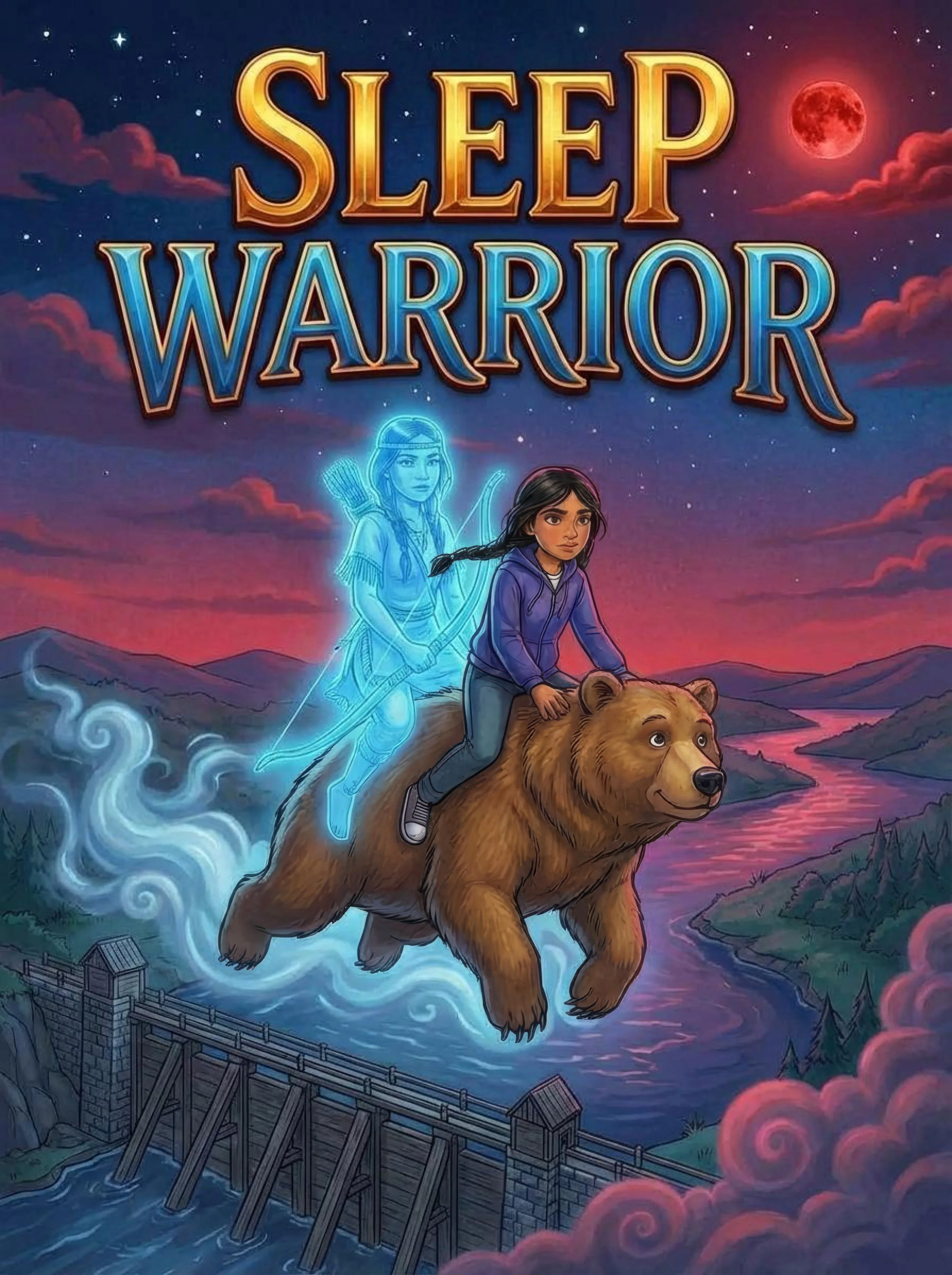
Download Review for unpublished Prequel to Blood Moon Wolf - Sleep Warrior -
Click on the picture.